 コンテンツにスキップ
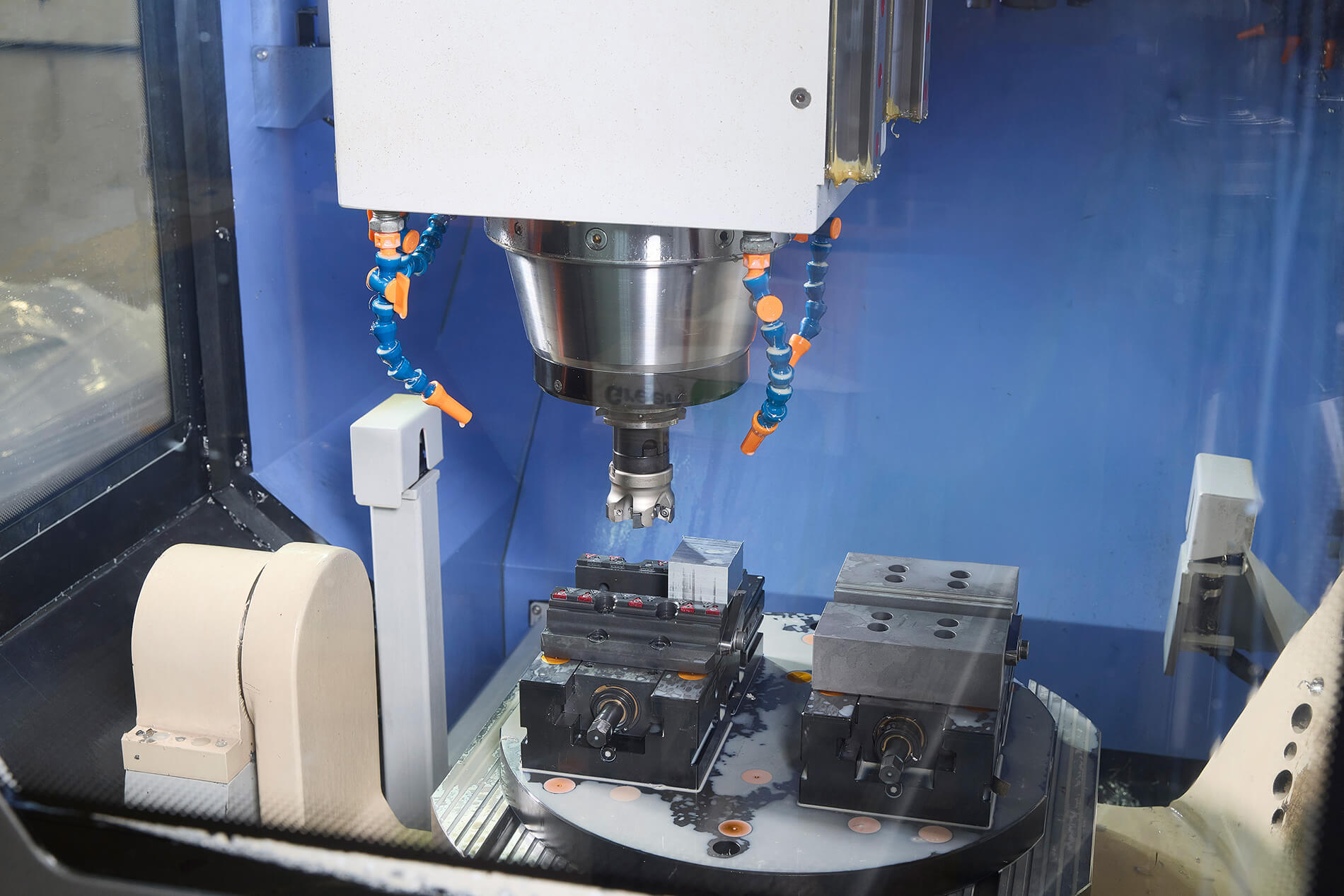
合金CNC加工は、加工しやすいアルミニウム6061から、加工が困難なチタンTi-6Al-4Vやインコネル718などのニッケル超合金に至るまで、幅広い金属に対応しています。 選択する合金によって、加工コスト(アルミニウムは鋼の3倍の速度で加工可能ですが、チタンの加工コストはアルミニウムの3~5倍になります)、達成可能な公差、表面仕上げの品質、そしてどのサプライヤーが加工に対応できるかが決まります。 本ガイドでは、CNC加工における主要な合金ファミリー、その特性、加工挙動、そして予算を超えずに適切な合金を選択する方法について解説します。.
CNC加工プロジェクトはすべて、材料の選定から始まります。そして、その材料のほとんどは合金です。非合金鉄、アルミニウム、銅などの純金属が機能部品に使用されることはほとんどありません。これらは、実際のエンジニアリング用途においては、柔らかすぎたり、強度が低すぎたり、反応性が高すぎたりするためです。.
合金は、母材に他の元素を組み合わせることで、強度、硬度、耐食性、耐熱性、あるいは被削性といった特定の特性を向上させ、この問題を解決します。 アルミニウム7075は強度を高めるために亜鉛を添加しています。ステンレス316は耐食性を高めるためにモリブデンを添加しています。チタンTi-6Al-4Vは、強度対重量比を向上させるためにアルミニウムとバナジウムを添加しています。.
図面で指定する合金は、単に部品の性能を決定するだけではありません。それは、サイクルタイム、工具の摩耗、表面仕上げ、公差能力、そして部品単価に至るまで、加工プログラム全体に影響を及ぼします。不適切な合金を選択すると、より適切な材料を選定していれば節約できたはずのコストと時間を浪費することになります。.
もし御社が調達を行っているなら CNC加工サービス 合金部品に関して、本ガイドでは主要な合金群、その加工特性、および性能とコストのバランスを考慮した材料選定の方法について解説しています。.
CNC加工で最も一般的に使用される合金にはどのようなものがありますか?
CNC加工で最も一般的に使用される5つの合金群は、アルミニウム合金(6061、7075、2024)、炭素鋼および合金鋼(1018、4140、4340)、ステンレス鋼(303、304、 316、17-4PH)、チタン合金(Ti-6Al-4V)、およびニッケル超合金(インコネル718、625)です。 加工性とコストの面から、アルミニウムが使用量の大部分を占めています。一方、硬度や耐摩耗性が求められる構造用途では、鋼が主流となっています。.
合金ファミリーごとに切削工具に対する挙動が異なり、その挙動は見積価格に直接影響します。以下の表では、主要な合金ファミリーを並べて比較しています。.
| 合金ファミリー | 一般的な等級 | 切削速度(SFM) | 相対的な加工コスト | 原材料費($/ポンド) | 標準公差 | 主な用途 |
| アルミニウム | 6061, 7075, 2024 | 800-1,500+ | 1回(基準値) | $3-$8 | ±0.001インチ~0.003インチ | ハウジング、ブラケット、ヒートシンク、航空宇宙用構造体 |
| 炭素鋼 | 1018, 4140, 4340 | 200-600 | 1.5-2x | $2-$6 | ±0.001インチ~0.003インチ | 歯車、軸、治具、構造部品 |
| ステンレス鋼 | 303、304、316、17-4PH | 100-400 | 2-3x | $5-$15 | ±0.001インチ~0.002インチ | 医療、船舶、食品加工、化学機器 |
| チタン | Ti-6Al-4V(Gr.5) | 100-200 | 3-5x | $15-$50 | ±0.0005インチ~0.002インチ | 航空宇宙、医療用インプラント、防衛、高性能 |
| ニッケル超合金 | インコネル718、625 | 50-100 | 5-10x | $30-$80 | ±0.0005インチ~0.002インチ | ジェットエンジン、タービン、極限温度下での排気系部品 |
| 真鍮/青銅 | C360、C932、C954 | 400-1,000 | 1-1.5x | $4-$12 | ±0.001インチ~0.003インチ | ベアリング、ブッシュ、継手、電気コネクタ |
アルミニウム合金は、CNC加工において最も加工しやすい金属です。高い切削速度、長い工具寿命、優れた切りくず排出性、そして許容範囲の広い公差により、アルミニウムは除去される材料1立方インチあたりの加工コストが最も低く、最も速く加工できる材料となっています。アルミニウム6061-T6は、世界中で最も広く使用されているグレードです。.
炭素鋼および合金鋼は、適度な加工コストで強度と硬度を兼ね備えています。 1018のような低炭素鋼は、比較的容易に加工できます。4140や4340のような高炭素鋼や合金鋼は、工具への負担は大きくなりますが、荷重を受ける部品に求められる機械的特性を提供します。鋼合金には4桁のAISI規格番号が用いられます。最初の数字は分類を示し、残りの数字は組成を示します。.
ステンレス鋼は、耐食性を兼ね備えています。303系は、最も機械加工性に優れたステンレス鋼です。304系は、最も一般的な汎用グレードです。316系は、モリブデンを添加することで優れた耐食性を実現しています。17-4PH系は、航空宇宙や医療用途向けに析出硬化処理が施されています。.
チタン合金は、あらゆる構造用金属の中で最高の強度対重量比を誇ります。Ti-6Al-4V(グレード5)は、産業用チタン全体の50%以上を占めています。この材料は加工速度が遅く、局所的な発熱を伴い、工具の摩耗が激しいという特徴があります。 しかし、航空宇宙、医療用インプラント、および高性能用途においては、これに匹敵する材料は他にありません。.
ニッケル超合金(インコネル718、625)は、他の金属が耐えられない環境、すなわちジェットエンジンのタービン部における摂氏700度を超える極限の温度下でも機能します。これらの材料の機械加工は、現存するCNC加工の中でも最も困難な作業です。.
合金の選択はCNC加工のコストにどのような影響を与えるのでしょうか?
合金の選定は、最も大きな要因であり、 CNC加工 部品あたりのコスト。アルミニウムの加工速度は、鋼の2~3倍、チタンの5~10倍です。 アルミニウム製で$25のコストがかかる部品は、形状が全く同じであっても、ステンレス鋼では$50~$75、チタンでは$100~$200のコストがかかる可能性があります。.
特定の合金の機械加工コストが高くなる理由は、4つの要因によって決まります。.
切削速度はサイクルタイムを左右します。アルミニウムの場合、表面速度は800~1,500 SFM以上となります。炭素鋼は200~600 SFMで加工されます。ステンレスは100~400 SFMに低下します。チタンは100~200 SFMで切削されます。 インコネルの切削速度は50~100 SFMと極めて低速です。切削速度が遅くなると加工時間が長くなり、加工時間は主要なコスト要因となります。.
工具の摩耗率は大きく異なります。エンドミルは、アルミニウムの切削では20時間以上持つ場合がありますが、チタンでは2~4時間しか持たないこともあります。インコネルの場合、工具寿命は1時間未満に短くなることもあります。工具交換のたびに、交換用工具の費用、交換に伴う機械のダウンタイム、そして交換後の確認切削といったコストが発生します。.
さらに、原材料費も上乗せされます。アルミニウム棒材は1ポンドあたり$3~$8、ステンレスは1ポンドあたり$5~$15、チタンTi-6Al-4Vは1ポンドあたり$15~$50です。 インコネル718は、1ポンドあたり$30~$80を超える場合があります。.
サプライヤーの対応能力によって選択肢は狭まります。多くの工場ではアルミニウムや軟鋼の加工に自信を持っていますが、ステンレス鋼や工具鋼に対応できる工場はそれほど多くありません。チタンやインコネルを扱うには、特殊な工具や冷却システム、そして熟練した作業員が必要となるため、対応可能なサプライヤーの数は限られてしまいます。.
アルミニウム合金:CNC加工において最も加工速度が速く、コストパフォーマンスに優れた素材
設計上可能であれば、CNC加工においてアルミニウムはほぼ常に最もコストパフォーマンスに優れた合金です。加工速度が速く、工具への負担が少なく、優れた表面仕上げが得られ、さらに陽極酸化処理、クロメート処理、粉体塗装にも対応しています。.
6061-T6が標準仕様です。十分な強度(降伏強度40 ksi)、優れた耐食性、卓越した加工性を備え、どこでも入手可能です。構造用ブラケット、ハウジング、ヒートシンク、治具、および汎用部品の製造にご利用ください。.
7075-T6は、加工性を犠牲にして強度を高めています。 降伏強度は73 ksiで、重量は3分の1ながら軟鋼に迫る強度を持っています。航空宇宙用の構造部品や高応力ブラケットには7075が使用されます。購入コストは高く、6061よりも加工速度は若干遅くなりますが、用途がそれを要求する場合、強度の向上によってそのコストは正当化されます。.
2024-T3は疲労特性に優れた合金です。高い疲労強度と良好な強度を兼ね備えているため、航空機の外板や繰返し荷重を受ける構造部材に広く使用されています。6061と比較して耐食性が低いため、通常は表面処理が必要です。.
For prototyping and low-stress applications, 6061 almost always wins on cost and availability. Specify 7075 only when your stress analysis shows 6061 can’t carry the load. Over-specifying 7075 where 6061 works wastes money on both material and machining.
What Makes Titanium and Nickel Alloys So Difficult to Machine?
Titanium’s low thermal conductivity (6.7 W/m per K, compared to 167 W/m per K for aluminum) concentrates heat at the cutting edge instead of dissipating through the chip and workpiece. This accelerates tool wear, promotes work hardening, and limits cutting speeds to a fraction of what aluminum allows. Nickel superalloys add extreme abrasiveness and deformation resistance on top of those same thermal challenges.
Cycle times multiply. A part that takes 30 minutes in aluminum might take 2-3 hours in titanium and 4-6 hours in Inconel. The geometry is identical; the physics of cutting are completely different.
Tool costs increase. Carbide tooling with specialized coatings (AlTiN, TiAlN) is mandatory. Ceramic inserts may be required for Inconel roughing. Tool replacement frequency jumps from hours to fractions of an hour.
Coolant strategy changes. Titanium requires high-pressure, high-volume coolant directed precisely at the cutting zone. Some operations use cryogenic cooling (liquid nitrogen or CO2). Flood coolant that works for aluminum and steel isn’t adequate for production titanium machining.
Fixturing demands increase. Titanium’s lower modulus of elasticity (roughly half of steel) means more deflection under cutting forces. Workholding must be more rigid, and cutting strategies must account for spring-back.
When your design requires titanium or Inconel, these costs are justified. But if a high-strength aluminum (7075) or precipitation-hardened stainless (17-4PH) meets your functional requirements, you’ll save 50-80% on machining cost.
How to Select the Right Alloy for Your CNC Machined Part
The best alloy isn’t the strongest or most corrosion-resistant. It’s the cheapest one that meets every functional requirement. Over-specifying material is one of the most common cost mistakes in CNC machining.
Start with the operating environment. What temperatures, chemicals, moisture, wear, or fatigue loading will the part see? These requirements eliminate most alloys and narrow your selection to a manageable shortlist.
Check mechanical requirements. Define loads (static, dynamic, cyclic), required safety factor, and allowable deflection. Run a basic stress analysis. If 6061-T6 carries the load with margin, don’t specify 7075.
Consider machining economics. A redesign allowing aluminum instead of stainless steel might save 40-60% on machining cost. A wall thickness increase from 1mm to 1.5mm might allow a softer, cheaper alloy that still meets structural needs.
Factor in post-processing. Some alloys accept anodizing (aluminum); others don’t. Some require passivation (stainless) or heat treatment (alloy steel 4140) after machining. Post-processing adds cost and lead time.
A medical device company originally specified titanium for a structural bracket. After reviewing the actual load case, 17-4PH stainless met every requirement. The switch reduced per-part cost by 65% and cut lead time by two weeks because more suppliers could handle stainless than titanium.
Ask your CNC supplier for DFM feedback on material choice. Experienced shops will tell you when you’re over-specifying and suggest alternatives that meet your specs at lower cost. If a supplier doesn’t push back on an expensive material choice, they may not have the depth of experience you need.
結論
Alloy CNC machining is fundamentally a material decision that cascades into every aspect of your project: cost, lead time, supplier selection, and part performance. The alloy on your drawing determines more about your per-part cost than the geometry does in most cases.
Three principles for better material decisions. First, specify the cheapest alloy that meets every functional requirement. Second, understand that machining cost scales nonlinearly with material difficulty (titanium isn’t 2x harder to machine than aluminum; it’s 5-10x slower). Third, ask your supplier for material alternatives early, before you’ve locked in a spec that drives unnecessary cost.
Rapidcisionで今すぐ見積もりを取得 to see pricing across different alloy options for your CNC project.
よくある質問
What alloys are most commonly used in CNC加工?
The most common families are aluminum (6061, 7075), carbon and alloy steels (1018, 4140, 4340), stainless steels (303, 304, 316, 17-4PH), titanium (Ti-6Al-4V), and nickel superalloys (Inconel 718). Aluminum dominates by volume. Steel dominates structural applications requiring hardness and wear resistance.
Which alloy is cheapest to CNC machine?
Aluminum 6061-T6 is the most cost-effective CNC material. It allows cutting speeds of 800-1,500+ SFM, produces long tool life, and is available globally at $3-$8 per pound. Free-machining steels like 12L14 and stainless 303 are the cheapest options in their respective metal families.
Why does titanium cost so much more to machine than aluminum?
Titanium’s low thermal conductivity concentrates heat at the cutting edge, causing rapid tool wear and requiring surface speeds 5-10x slower than aluminum. Tool life drops from 20+ hours in aluminum to 2-4 hours in titanium. Combined with higher raw material cost ($15-$50/lb vs $3-$8/lb), titanium parts typically cost 3-5x more to produce.
How do I choose the right alloy for my part?
Start with operating environment (temperature, corrosion, wear). Define mechanical requirements (loads, deflection, fatigue). Select the cheapest alloy that meets all requirements. Run stress analysis to confirm. Ask your supplier for DFM feedback on alternatives. Over-specifying material is one of the most common cost mistakes.
Can my CNC supplier help with alloy selection?
Experienced suppliers actively suggest material alternatives during DFM review. A good supplier flags when an expensive alloy could be replaced with a cheaper one meeting the same specs. If your supplier doesn’t push back on material choices, that may indicate limited application experience.