 Skip to content
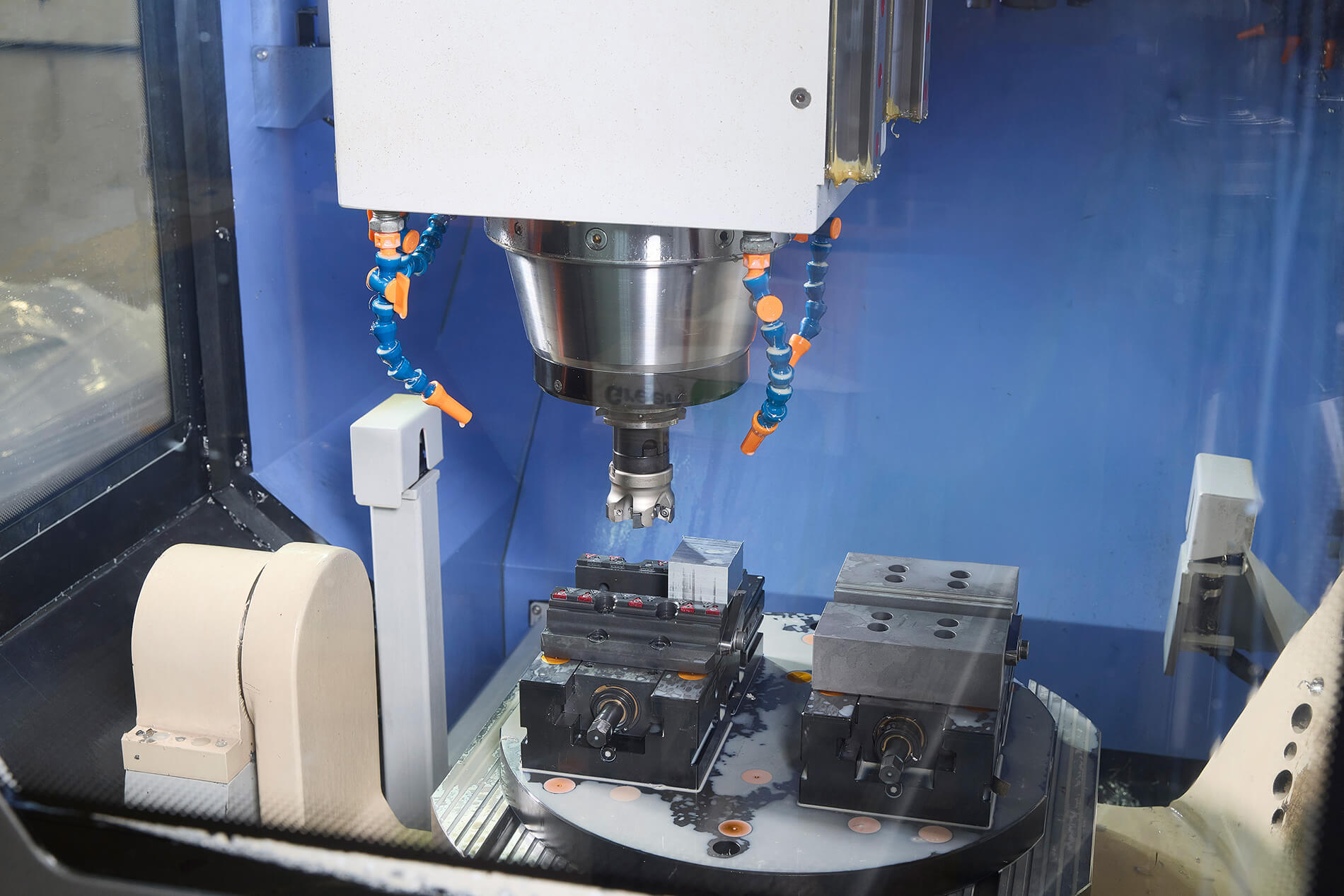
Alloy CNC machining covers a wide range of metals, from easy-to-cut aluminum 6061 to demanding titanium Ti-6Al-4V and nickel superalloys like Inconel 718. The alloy you choose determines your machining cost (aluminum runs at 3x the speed of steel, titanium costs 3-5x more to machine than aluminum), achievable tolerances, surface finish quality, and which suppliers can handle your job. This guide breaks down the major alloy families for CNC machining, their properties, machining behavior, and how to select the right one without overspending.
Every CNC machining project starts with a material decision, and most of the time that material is an alloy. Pure metals like unalloyed iron, aluminum, or copper are rarely used for functional parts. They’re too soft, too weak, or too reactive for real engineering applications.
Alloys solve that problem by combining a base metal with other elements to improve specific properties: strength, hardness, corrosion resistance, heat tolerance, or machinability. Aluminum 7075 adds zinc for strength. Stainless 316 adds molybdenum for corrosion resistance. Titanium Ti-6Al-4V adds aluminum and vanadium for strength-to-weight ratio.
The alloy you specify on your drawing doesn’t just define part performance. It shapes your entire machining program: cycle time, tool wear, surface finish, tolerance capability, and per-part cost. Choosing the wrong alloy costs money and time that a better material decision would have saved.
If your team is sourcing CNC machining services for alloy parts, this guide covers the major alloy families, their machining characteristics, and how to make material selections that balance performance with cost.
What Are the Most Common Alloys Used in CNC Machining?
The five most commonly CNC machined alloy families are aluminum alloys (6061, 7075, 2024), carbon and alloy steels (1018, 4140, 4340), stainless steels (303, 304, 316, 17-4PH), titanium alloys (Ti-6Al-4V), and nickel superalloys (Inconel 718, 625). Aluminum dominates by volume due to its machinability and cost. Steel dominates in structural applications requiring hardness and wear resistance.
Each family behaves differently under a cutting tool, and that behavior directly affects your quote. The table below compares the key alloy families side by side.
| Alloy Family | Common Grades | Cutting Speed (SFM) | Relative Machining Cost | Raw Material Cost ($/lb) | Typical Tolerance | Key Applications |
| Aluminum | 6061, 7075, 2024 | 800-1,500+ | 1x (baseline) | $3-$8 | ±0.001″-0.003″ | Housings, brackets, heat sinks, aerospace structures |
| Carbon Steel | 1018, 4140, 4340 | 200-600 | 1.5-2x | $2-$6 | ±0.001″-0.003″ | Gears, shafts, fixtures, structural parts |
| Stainless Steel | 303, 304, 316, 17-4PH | 100-400 | 2-3x | $5-$15 | ±0.001″-0.002″ | Medical, marine, food processing, chemical equipment |
| Titanium | Ti-6Al-4V (Gr.5) | 100-200 | 3-5x | $15-$50 | ±0.0005″-0.002″ | Aerospace, medical implants, defense, high-performance |
| Nickel Superalloy | Inconel 718, 625 | 50-100 | 5-10x | $30-$80 | ±0.0005″-0.002″ | Jet engines, turbines, extreme-temp exhaust components |
| Brass/Bronze | C360, C932, C954 | 400-1,000 | 1-1.5x | $4-$12 | ±0.001″-0.003″ | Bearings, bushings, fittings, electrical connectors |
Aluminum alloys are the easiest metals to CNC machine. High cutting speeds, long tool life, excellent chip evacuation, and forgiving tolerances make aluminum the fastest and cheapest material to machine per cubic inch of material removed. Aluminum 6061-T6 is the most widely used grade globally.
Carbon and alloy steels offer strength and hardness at moderate machining cost. Low-carbon steels like 1018 machine relatively easily. Higher-carbon and alloy steels like 4140 and 4340 are harder on tooling but deliver the mechanical properties that load-bearing parts require. Steel alloys use a 4-digit AISI designation: the first digit indicates classification, the rest indicate composition.
Stainless steels add corrosion resistance to the equation. Grade 303 is the most machinable stainless. Grade 304 is the most common general-purpose grade. Grade 316 adds molybdenum for superior corrosion resistance. Grade 17-4PH is precipitation-hardened for aerospace and medical applications.
Titanium alloys deliver the highest strength-to-weight ratio of any structural metal. Ti-6Al-4V (Grade 5) accounts for over 50% of all titanium used in industry. It machines slowly, generates concentrated heat, and wears tooling fast. But for aerospace, medical implants, and high-performance applications, nothing else matches it.
Nickel superalloys (Inconel 718, 625) operate where other metals fail: extreme temperatures exceeding 700 degrees Celsius in jet engine turbine sections. Machining them is the most demanding CNC work that exists.
How Does Alloy Choice Affect CNC Machining Cost?
Alloy selection is the single largest driver of CNC machining cost per part. Aluminum machines at 2-3x the surface speed of steel and 5-10x the speed of titanium. A part that costs $25 in aluminum might cost $50-$75 in stainless steel and $100-$200 in titanium, even with identical geometry.
Four factors determine why certain alloys cost more to machine.
Cutting speed dictates cycle time. Aluminum allows surface speeds of 800-1,500+ SFM. Carbon steel runs at 200-600 SFM. Stainless drops to 100-400 SFM. Titanium cuts at 100-200 SFM. Inconel crawls at 50-100 SFM. Slower cutting speeds mean longer machine time, and machine time is the primary cost driver.
Tool wear rates vary dramatically. An end mill might last 20+ hours cutting aluminum. The same tool in titanium might last 2-4 hours. In Inconel, tool life can drop below 1 hour. Every tool change adds cost: the replacement tool, machine downtime for the change, and verification cuts after.
Raw material cost compounds on top. Aluminum bar stock runs $3-$8 per pound. Stainless runs $5-$15 per pound. Titanium Ti-6Al-4V runs $15-$50 per pound. Inconel 718 can exceed $30-$80 per pound.
Supplier capability narrows your options. Most shops handle aluminum and mild steel confidently. Fewer are equipped for stainless and tool steels. Titanium and Inconel require specialized tooling, coolant systems, and operator experience that limit the supplier pool.
Aluminum Alloys: The Fastest and Most Affordable CNC Material
If your design allows it, aluminum is almost always the most cost-effective alloy for CNC machining. It machines fast, goes easy on tooling, produces excellent surface finishes, and accepts anodizing, chromate conversion, and powder coating.
6061-T6 is the default. Good strength (40 ksi yield), excellent corrosion resistance, outstanding machinability, and available everywhere. Use it for structural brackets, housings, heat sinks, fixtures, and general-purpose components.
7075-T6 trades machinability for strength. At 73 ksi yield, it approaches mild steel territory while weighing one-third as much. Aerospace structural components and high-stress brackets use 7075. It costs more to buy and machines slightly slower than 6061, but the strength gain justifies it when the application demands it.
2024-T3 is the fatigue specialist. High fatigue resistance and good strength make it common in aircraft skin panels and structural elements subject to cyclic loading. Its corrosion resistance is poor compared to 6061, so it typically needs surface treatment.
For prototyping and low-stress applications, 6061 almost always wins on cost and availability. Specify 7075 only when your stress analysis shows 6061 can’t carry the load. Over-specifying 7075 where 6061 works wastes money on both material and machining.
What Makes Titanium and Nickel Alloys So Difficult to Machine?
Titanium’s low thermal conductivity (6.7 W/m per K, compared to 167 W/m per K for aluminum) concentrates heat at the cutting edge instead of dissipating through the chip and workpiece. This accelerates tool wear, promotes work hardening, and limits cutting speeds to a fraction of what aluminum allows. Nickel superalloys add extreme abrasiveness and deformation resistance on top of those same thermal challenges.
Cycle times multiply. A part that takes 30 minutes in aluminum might take 2-3 hours in titanium and 4-6 hours in Inconel. The geometry is identical; the physics of cutting are completely different.
Tool costs increase. Carbide tooling with specialized coatings (AlTiN, TiAlN) is mandatory. Ceramic inserts may be required for Inconel roughing. Tool replacement frequency jumps from hours to fractions of an hour.
Coolant strategy changes. Titanium requires high-pressure, high-volume coolant directed precisely at the cutting zone. Some operations use cryogenic cooling (liquid nitrogen or CO2). Flood coolant that works for aluminum and steel isn’t adequate for production titanium machining.
Fixturing demands increase. Titanium’s lower modulus of elasticity (roughly half of steel) means more deflection under cutting forces. Workholding must be more rigid, and cutting strategies must account for spring-back.
When your design requires titanium or Inconel, these costs are justified. But if a high-strength aluminum (7075) or precipitation-hardened stainless (17-4PH) meets your functional requirements, you’ll save 50-80% on machining cost.
How to Select the Right Alloy for Your CNC Machined Part
The best alloy isn’t the strongest or most corrosion-resistant. It’s the cheapest one that meets every functional requirement. Over-specifying material is one of the most common cost mistakes in CNC machining.
Start with the operating environment. What temperatures, chemicals, moisture, wear, or fatigue loading will the part see? These requirements eliminate most alloys and narrow your selection to a manageable shortlist.
Check mechanical requirements. Define loads (static, dynamic, cyclic), required safety factor, and allowable deflection. Run a basic stress analysis. If 6061-T6 carries the load with margin, don’t specify 7075.
Consider machining economics. A redesign allowing aluminum instead of stainless steel might save 40-60% on machining cost. A wall thickness increase from 1mm to 1.5mm might allow a softer, cheaper alloy that still meets structural needs.
Factor in post-processing. Some alloys accept anodizing (aluminum); others don’t. Some require passivation (stainless) or heat treatment (alloy steel 4140) after machining. Post-processing adds cost and lead time.
A medical device company originally specified titanium for a structural bracket. After reviewing the actual load case, 17-4PH stainless met every requirement. The switch reduced per-part cost by 65% and cut lead time by two weeks because more suppliers could handle stainless than titanium.
Ask your CNC supplier for DFM feedback on material choice. Experienced shops will tell you when you’re over-specifying and suggest alternatives that meet your specs at lower cost. If a supplier doesn’t push back on an expensive material choice, they may not have the depth of experience you need.
Conclusion
Alloy CNC machining is fundamentally a material decision that cascades into every aspect of your project: cost, lead time, supplier selection, and part performance. The alloy on your drawing determines more about your per-part cost than the geometry does in most cases.
Three principles for better material decisions. First, specify the cheapest alloy that meets every functional requirement. Second, understand that machining cost scales nonlinearly with material difficulty (titanium isn’t 2x harder to machine than aluminum; it’s 5-10x slower). Third, ask your supplier for material alternatives early, before you’ve locked in a spec that drives unnecessary cost.
Get an instant quote from Rapidcision to see pricing across different alloy options for your CNC project.
Frequently Asked Questions
What alloys are most commonly used in CNC machining?
The most common families are aluminum (6061, 7075), carbon and alloy steels (1018, 4140, 4340), stainless steels (303, 304, 316, 17-4PH), titanium (Ti-6Al-4V), and nickel superalloys (Inconel 718). Aluminum dominates by volume. Steel dominates structural applications requiring hardness and wear resistance.
Which alloy is cheapest to CNC machine?
Aluminum 6061-T6 is the most cost-effective CNC material. It allows cutting speeds of 800-1,500+ SFM, produces long tool life, and is available globally at $3-$8 per pound. Free-machining steels like 12L14 and stainless 303 are the cheapest options in their respective metal families.
Why does titanium cost so much more to machine than aluminum?
Titanium’s low thermal conductivity concentrates heat at the cutting edge, causing rapid tool wear and requiring surface speeds 5-10x slower than aluminum. Tool life drops from 20+ hours in aluminum to 2-4 hours in titanium. Combined with higher raw material cost ($15-$50/lb vs $3-$8/lb), titanium parts typically cost 3-5x more to produce.
How do I choose the right alloy for my part?
Start with operating environment (temperature, corrosion, wear). Define mechanical requirements (loads, deflection, fatigue). Select the cheapest alloy that meets all requirements. Run stress analysis to confirm. Ask your supplier for DFM feedback on alternatives. Over-specifying material is one of the most common cost mistakes.
Can my CNC supplier help with alloy selection?
Experienced suppliers actively suggest material alternatives during DFM review. A good supplier flags when an expensive alloy could be replaced with a cheaper one meeting the same specs. If your supplier doesn’t push back on material choices, that may indicate limited application experience.